
Nonduality
Nonduality - The Perennial Philosphy
Nonduality, or Advaita (translates to ‘not two’), is not a recent invention of the modern “mindfulness” movement. It is the foundation found at the root of every major spiritual tradition on Earth. While the languages, rituals, and cultures differ, they all point toward a singular, radical truth: all perceived separation is an illusion.
At its core, Nonduality suggests that there is no fundamental “other.” There is only one seamless reality, one infinite consciousness, expressing itself as the many. This is Oneness
Oneness is synonymous with Consciousness, and it is that in which things arise, it is that of which all things are made, and it is that by which all things are known. There is nothing outside of Consciousness and nothing other than Consciousness.
Other synonyms for Oneness include Awareness, Unconditional Love, The Beloved, Presence, and God.
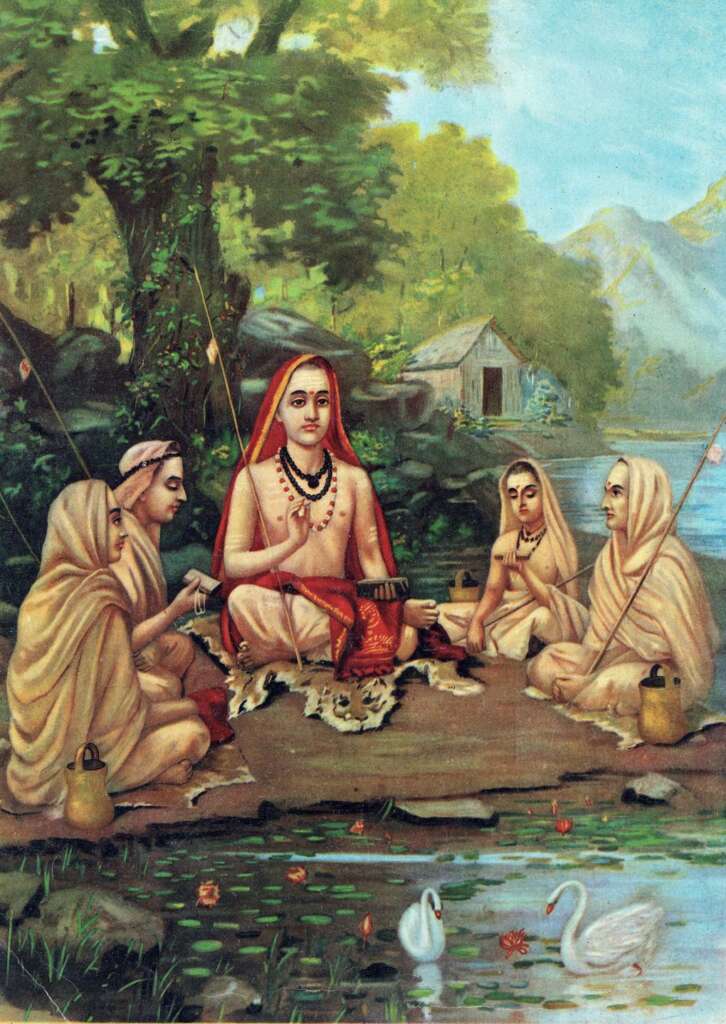
Adi Shankaracharya, one of the earliest proponents of Advaita Vendanta (Above).
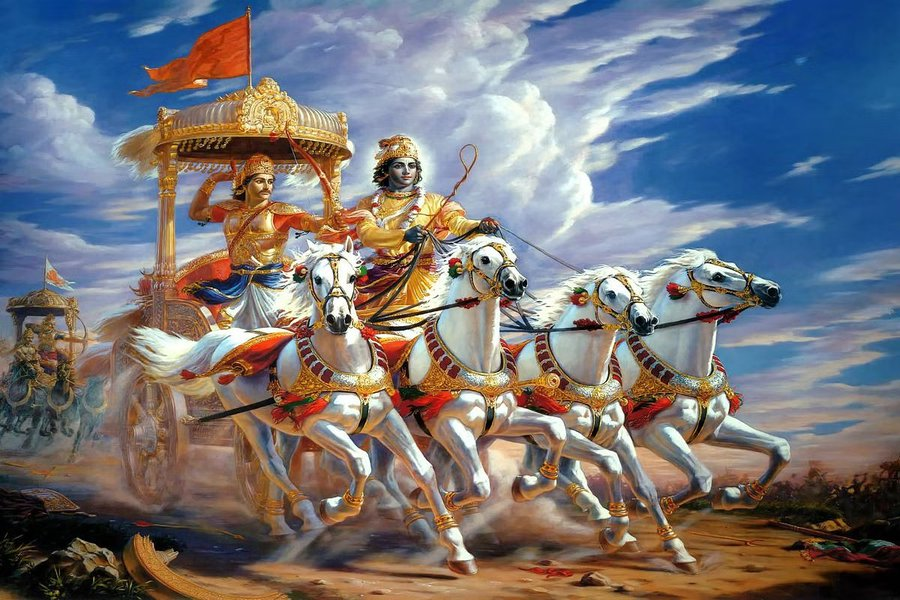
The Upanishads and Bhagavad Gita have great appeal to a mainstream audience despite the writings being pure Nonduality (Right)
The Dawn of Oneness -
The Upanishads
The earliest recorded echoes of this realization are found in the Upanishads, the concluding portions of the Indian Vedas. Composed thousands of years ago, these texts moved beyond ritual to ask the ultimate question: What am I? The Upanishadic seers arrived at a staggering conclusion: Tat Tvam Asi -“Thou Art That.” The individual spark (Atman) is not merely “like” the universal fire (Brahman); it is the fire. This is the foundation of Advaita Vedanta, a philosophy that invites us to wake up from the dream of being a limited, isolated ego.
The threads of the perennial philosophy
Nonduality is the “Golden Thread” woven through the tapestry of human history. When we look past the surface-level dogmas, we find the same nondual nectar in every cup.
The Buddha: The Emptiness that is Full
While often viewed as a departure from the Vedas, the original teachings of Gautama Buddha point toward the same nondual reality through the concept of Anatta (No-Self) and Sunyata (Emptiness). By deconstructing the “self,” the Buddha didn’t find nothingness; he found a boundless, interconnected “Suchness” that transcends birth and death.
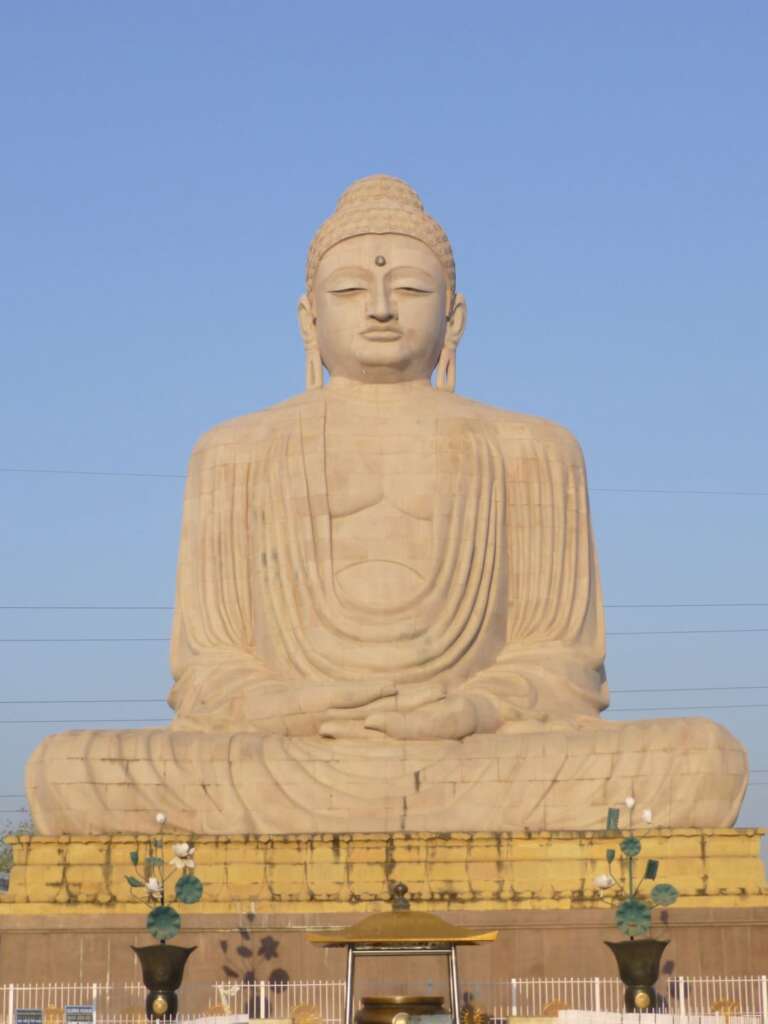
The Great Statue of the Buddha in Bodh Gaya, India.
Christianity: The Kingdom Within
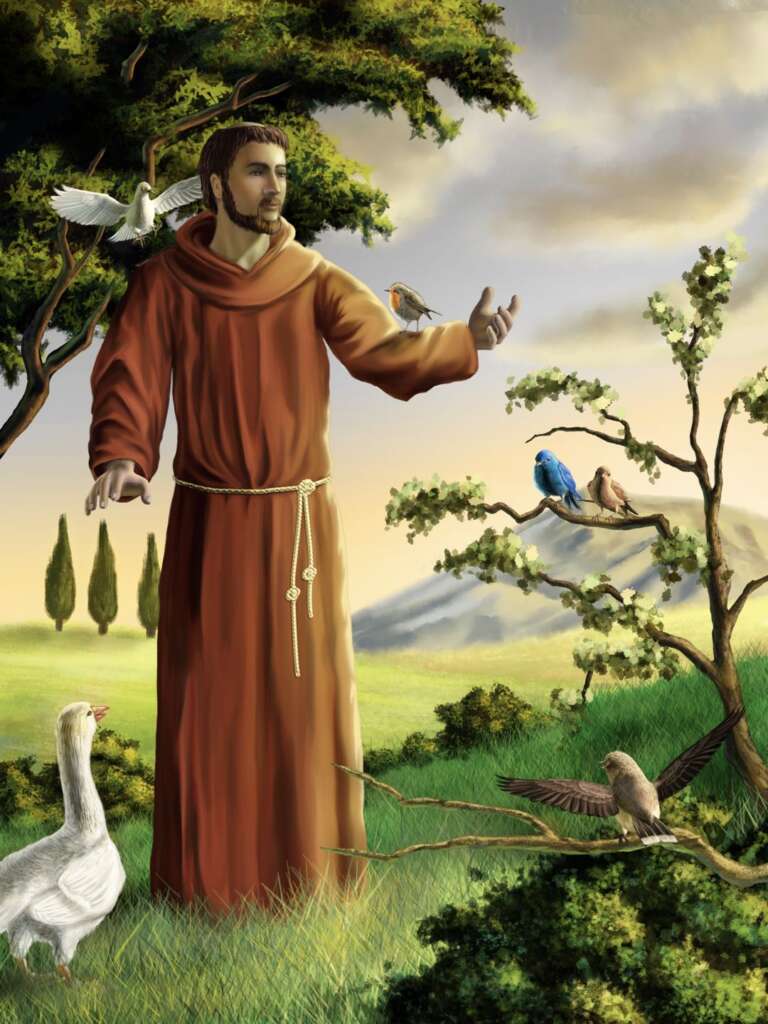
In the Gospel of Thomas,an early Christian text discovered in 1945—Jesus speaks with a distinctly nondual voice: “When you make the two into one… then you will enter the kingdom.” This inward path flourished in the Christian Contemplative tradition. Figures like St. Francis of Assisi and St. Teresa of Avila experienced a union with the Divine where the “I” dissolved into “God.” Interestingly, this practice of silent, interior observation (remarkably similar to Atma Vichara) faced heavy suppression. In the 1600s, the “Quietist” movement was banned by the Catholic Church, as the direct experience of God threatened the necessity of an external hierarchy.
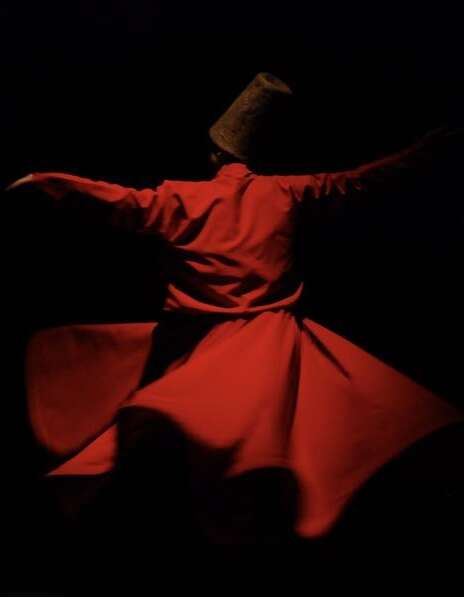
The ‘Whirling Dervish’ of Sufiism
Islam: The Unity of Being
In Islam, this is expressed as Wahdat al-Wujud (The Unity of Being). The great philosopher-mystic Ibn Arabi interpreted the revelations of the Prophet Mohammed not as a distant God to be feared, but as a reality to be witnessed everywhere.
“Wheresoever ye turn, there is the face of Allah.”
This tradition lives on through Sufism, the mystical heart of Islam. The ecstatic poetry of Rumi and Hafez serves as a roadmap for the “annihilation of the self” (Fana) into the Beloved.
Taoism, Kabbalah, and Beyond
Taoism: Lao Tzu’s Tao Te Ching describes the “Way” that cannot be named—a flow of existence where the observer and the observed are one.
Kabbalah: In Jewish mysticism, the Ein Sof represents the Infinite before manifestation. The journey of the Kabbalist is to see through the “shards” of our broken perception to the underlying Unity.
The Baháʼí Faith is a monotheistic religion from the 19th century, established by Baháʼu’lláh in Persia (Iran). It promotes spiritual unity among all people, gender equality, and the integration of science and religion. With approximately 7–8 million followers globally, it highlights that all major religions are rooted in shared principles and that God sends prophets, called “Manifestations of God,” throughout history to guide humanity.
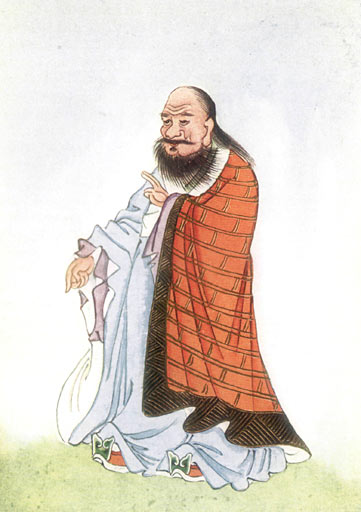
Depiction of Laozi in E.T.C. Werner‘s Myths and Legends of China
The Great Witnesses: Krishna to the Modern Era
Throughout history, certain “beacons” have appeared to remind us of our true nature.
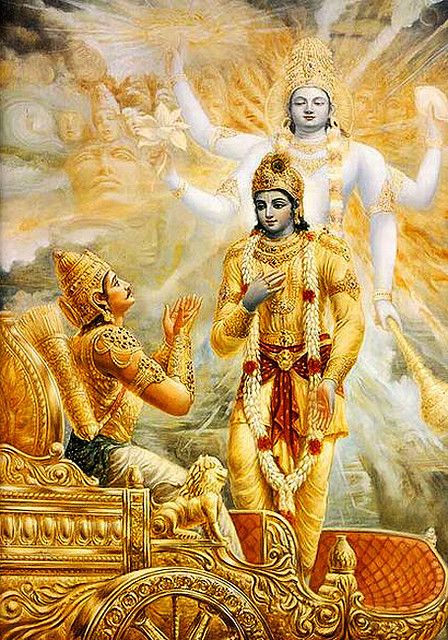
Krishna: In the Bhagavad Gita (one of the oldest recorded texts on Nonduality), he reveals to Arjuna that the “Self” is never born and never dies, standing as the eternal witness to the play of life.
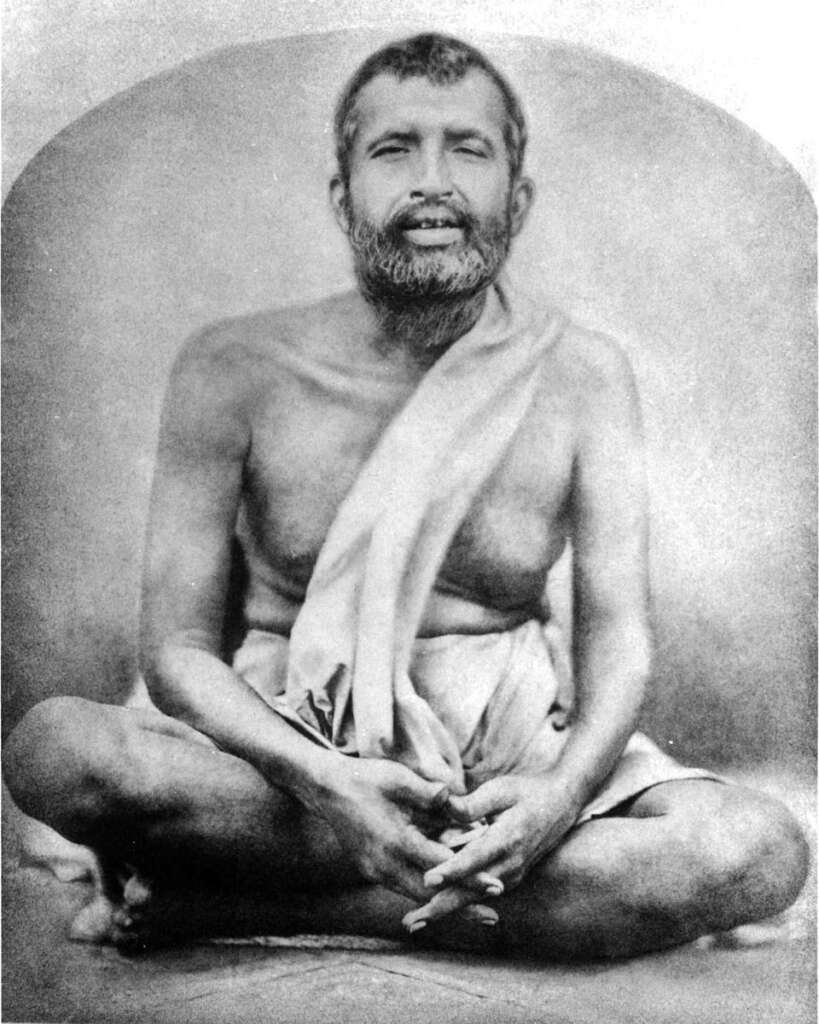
The Modern Renaissance: In the late 19th century, Sri Ramakrishna proved the unity of all faiths by practising them and reaching the same nondual peak in each. His best-known disciple was Vivekananda, whom he encouraged to visit the West.
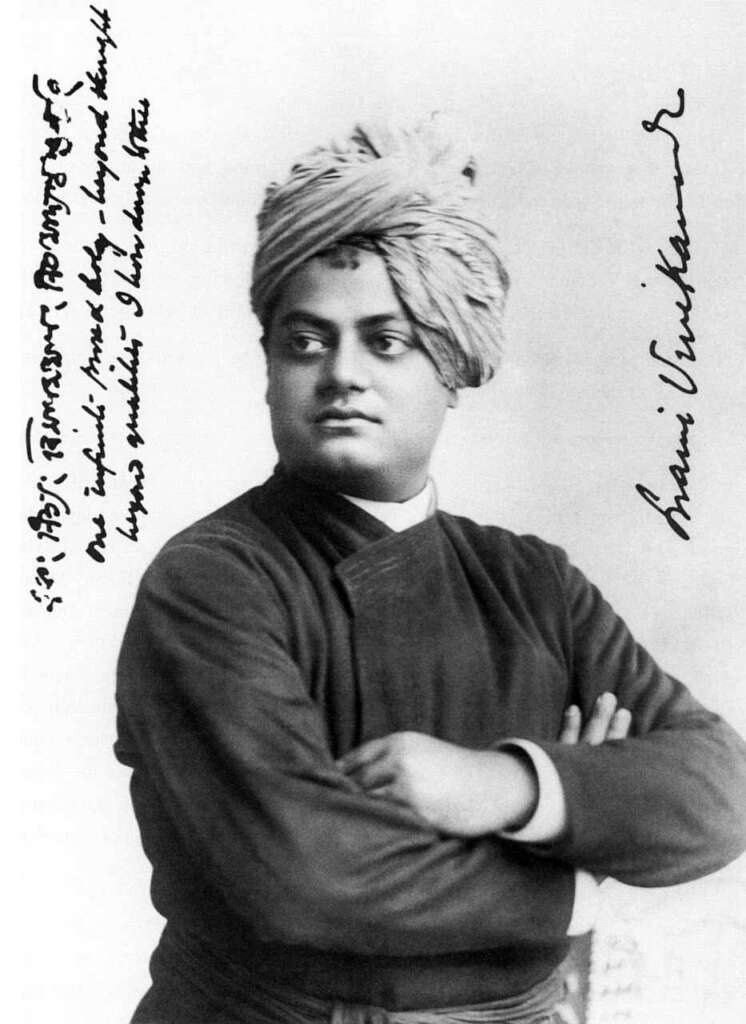
Swami Vivekananda, is known for introducing Advaita Vedanta to the West, sparking a global spiritual awakening. He established the Vedanta Society of New York, the first Ramanakrishna Mission in the West
The Age of the Direct Path
If there is a North Star for modern Nonduality, it is Ramana Maharshi. Remaining almost entirely in silence on the holy hill of Arunachala, he stripped away the complexities of philosophy. He offered a single, surgical tool: Self-Inquiry (Atma Vichara). By relentlessly asking “Who am I?”, he taught that the ego-mind eventually subsides back into its source—the Heart.
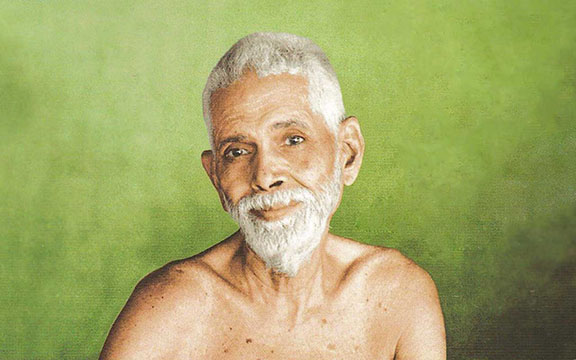
Nonduality in the Twenty First Century
Today, the ancient “Direct Path” is more accessible than ever, stripped of unnecessary cultural baggage but retaining its profound depth. Contemporary teachers continue to bridge the gap between ancient wisdom and modern life:
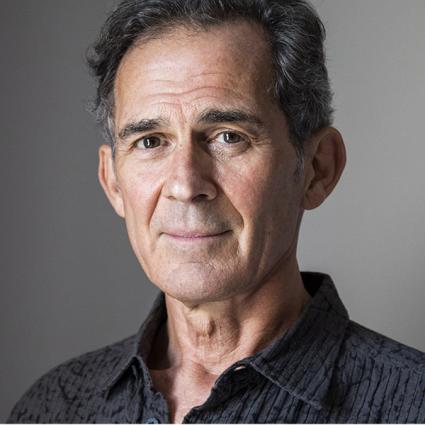
Rupert Spira: Using the “Direct Path” approach, he uses elegant, modern language to guide us back to the simple “Experience of Being.”
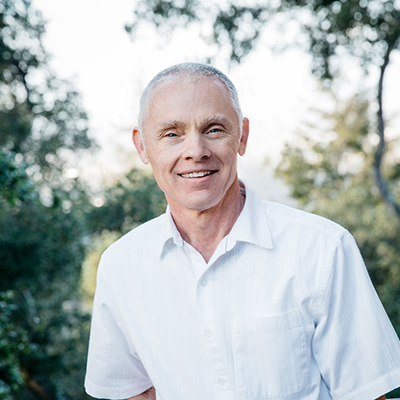
Adyashanti: Drawing from both Zen and Christian mysticism, he emphasizes the “End of Your World”—the total collapse of the egoic structures.
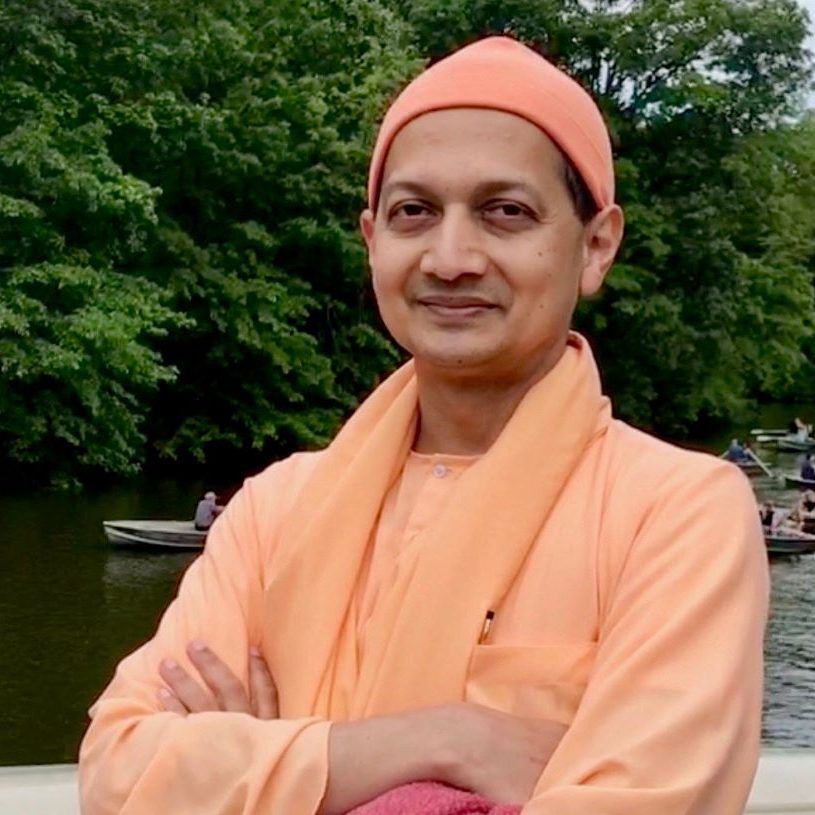
Swami Sarvapriyananda: As a monk of the Ramakrishna Mission, he brings the rigorous logic and sublime beauty of traditional Advaita Vedanta to a global audience with wit and clarity.
A Call to Global Unity
Nonduality is the ultimate antidote to the fragmentation of our world. It suggests that our conflicts—religious, political, and personal—stem from a single mistake: the belief that we are separate.
To study Nonduality is to embark on a journey to make the greatest discovery of all; You are what you have been seeking, you have never been incomplete, you are “The Universe in Ecstatic Motion” – Tat Tvam Asi.
Are you ready to start the journey of a lifetime?